

What Defects Do Inspectors Look for When Inspecting a House?
A home inspection can uncover the hidden story of a house and reveal the good, the bad, and the fixable. It’s a necessary step in understanding the true condition of a property—whether you’re buying, selling, or maintaining your home. Inspectors will look for common defects in every nook and cranny,

How Carbon Monoxide Detectors Can Save Your Life At Home
Carbon monoxide (CO) is a silent, odorless gas that can be deadly if it accumulates in your home. Install a CO detector on every level, especially near sleeping areas, and test it monthly. Replace batteries annually and detectors every 7-10 years. Protect your family from this invisible danger—CO detectors are a simple but vital safety measure.

New Year’s Guide To Building And Home Maintenance Success
New Year, New Maintenance Goals: Starting 2025 With A Plan For Home And Building Upkeep As the new year begins, it’s the ideal time to refresh your maintenance routine for your home or commercial building. Setting clear, achievable goals for property upkeep doesn’t just prevent costly repairs—it boosts safety, comfort,

Why You Should Schedule a Home Inspection Before Year-End
A year-end home inspection is the perfect way to prepare your home for winter. It helps catch hidden issues, improve energy efficiency, and ensure safety. Addressing repairs now can save on heating costs, qualify for tax deductions, and boost property value. Schedule your inspection today to protect your home and family.

5 Ways to Get More From Your Enclosed Patio
An enclosed patio can be so much more than a hidden corner of your home. With a little creativity, it can become the perfect spot to relax, entertain, or even tackle your to-do list. Whether yours feels underused or you’re ready to make it shine, there are plenty of ways

2024’s Most Popular Christmas Trees: Top 7 Choices
The 7 Most Popular Christmas Trees For 2024 As the holiday season draws near, picking out the perfect Christmas tree is one of the most exciting—and essential—parts of decorating your home as well as making family memories. Whether you’re all about the fresh-cut look or leaning toward an artificial, eco-friendly

The Risks and Signs of Asbestos in Drywall
Most homeowners don’t expect their walls to hide a potential health risk, but for those with older homes, asbestos in drywall can be a real concern. Once celebrated for its fire resistance and durability, asbestos was a common part of construction before its dangers became clear. Knowing the risks and

Prepare Your Home for Winter: Essential Maintenance Checklist
What Should Be On Your Winter Home Maintenance Checklist? Winter is just around the corner, and getting your home ready for the cold months ahead is key to staying safe and cozy and avoiding expensive repairs. A smart winter home maintenance checklist can make all the difference, protecting your property
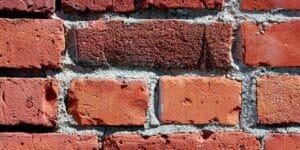
3 Reasons for New Mortar Cracking Between Bricks
Noticing new mortar cracking between bricks? While some small cracks might be harmless, others can point to deeper issues. Cracks in fresh mortar often result from specific causes—like foundation settling, weather exposure, or inconsistencies in the mortar mix—that homeowners can easily overlook. Here’s how to understand the culprits and take