
In short: Seven 1-year builder warranty inspections found 60 repair items, from damaged roof trusses to faulty siding. See the photos and what to ask your builder.
📅 October 30, 2026 • ⏱️ 7 min read
In seven 1-year builder warranty inspections, our inspectors documented 60 items that needed repair or further evaluation, almost 9 per home. None of these homes was more than a few years old. Several of the problems, like damaged roof trusses and improperly installed siding, are hidden from the homeowner in an attic or behind trim.
| 7 newer homes inspected | 60 repair findings documented | 6 of 7 had siding installed against manufacturer guidelines |
Why we inspect new homes before the warranty runs out
Most builders cover workmanship and materials for the first year. Once that window closes, repairs usually come out of the homeowner’s pocket. That’s why we schedule builder warranty inspections in the 10th or 11th month after closing. It leaves time to send the builder a written list and get repairs made while they’re still covered.
Each inspection followed the NC Home Inspector Licensure Board Standards of Practice. Client names and street addresses have been left out.
The homes
Seven newer homes in six towns we serve, from townhomes and a duplex to single-family houses. The client was present at each inspection.
| Home | Location | Style | Inspected | Inspector | Repair findings |
| Home A | Charlotte, NC | Two-story townhome | Aug 2025 | Hunter Griggs | 6 |
| Home B | Concord, NC | Two-story single-family | Nov 2025 | Hunter Griggs | 12 |
| Home C | Mooresville, NC | Two-story bungalow | Jan 2026 | Bradley Lara | 9 |
| Home D | Harrisburg, NC | Two-story single-family | Apr 2026 | Hunter Griggs | 8 |
| Home E | Davidson, NC | Townhome | Aug 2026 | Bradley Lara | 7 |
| Home F | Charlotte, NC | Duplex | Aug 2026 | Bradley Lara | 6 |
| Home G | Cramerton, NC | Two-story townhome | Mar 2022 | David Johnson | 12 |
Home A also got a limited thermal imaging scan.
By the numbers
Six of seven homes had siding installed against manufacturer guidelines
Number of homes (out of 7) where each issue was found
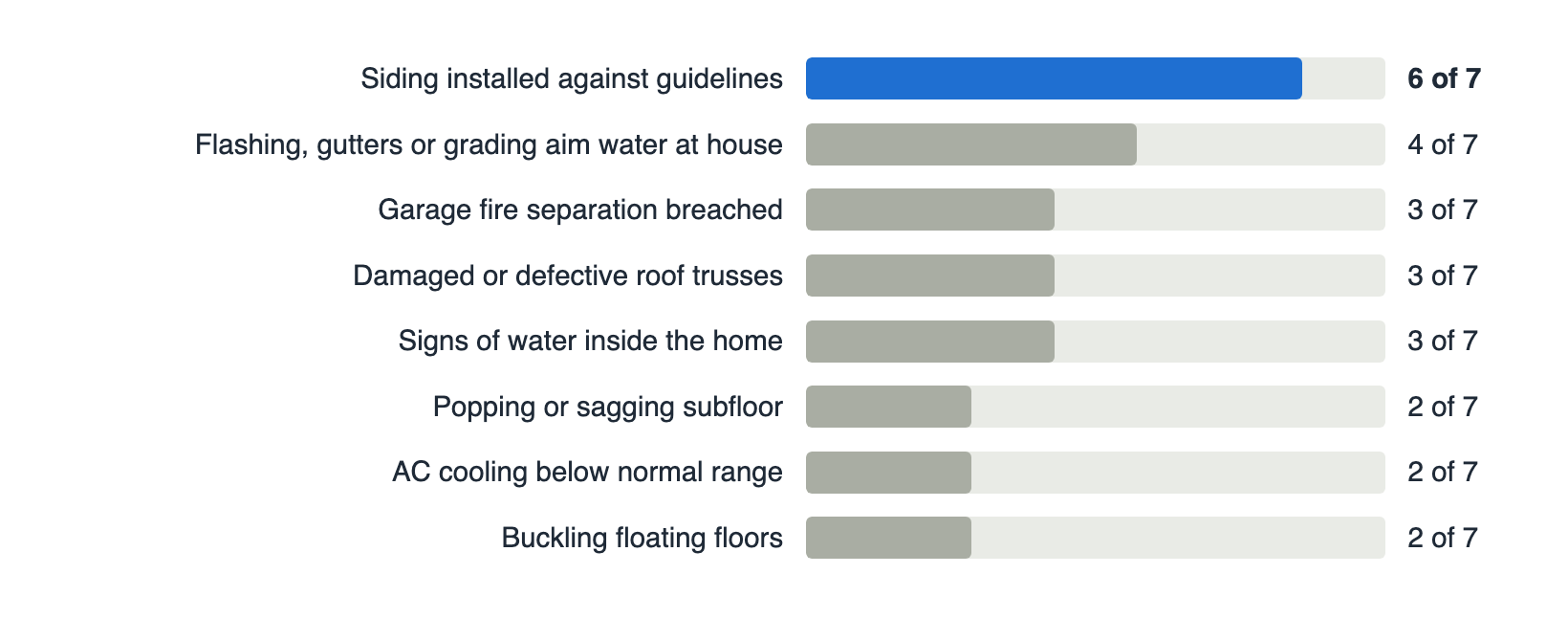
Siding was the most common problem by far. Next came flashing, gutters or grading that send water toward the house, then breaches in the fire separation between the garage and the living space.
The most significant findings
Damaged and defective roof trusses (Homes B, C and D)
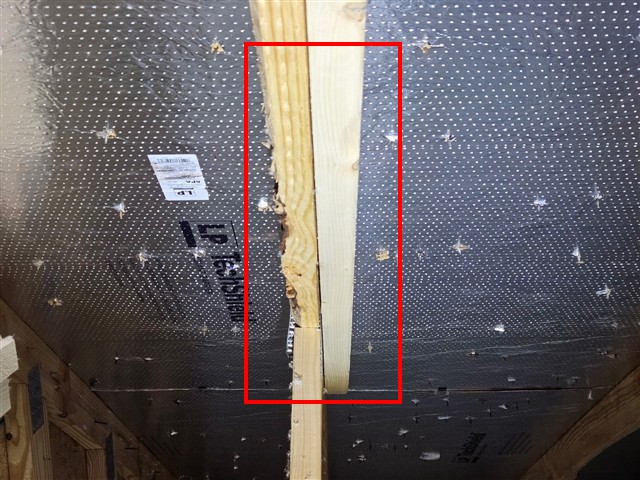
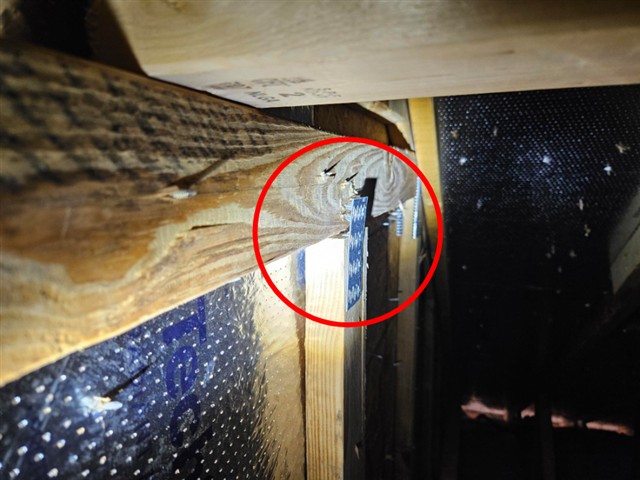
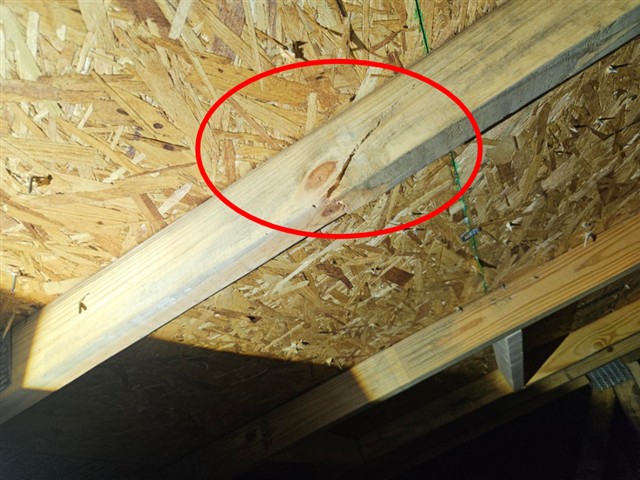
In Home C’s attic we found buckled and twisting truss members and gusset plates. Some gusset plates came from the factory not covering the full joint. Some trusses had been repaired during construction, but there was no engineer’s letter approving the repair. Home B had bent gusset plates in several areas and damaged roof sheathing that could let the roof sag. In Home D, a truss member in the front attic was cracked, and the sheathing there was starting to fail.
Trusses hold up the roof. Repairs need a method approved by the manufacturer or a licensed structural engineer, plus a stamped letter. That’s exactly the kind of documentation to get while the builder is still responsible.
Fiber cement siding installed against manufacturer guidelines (6 of 7 homes)
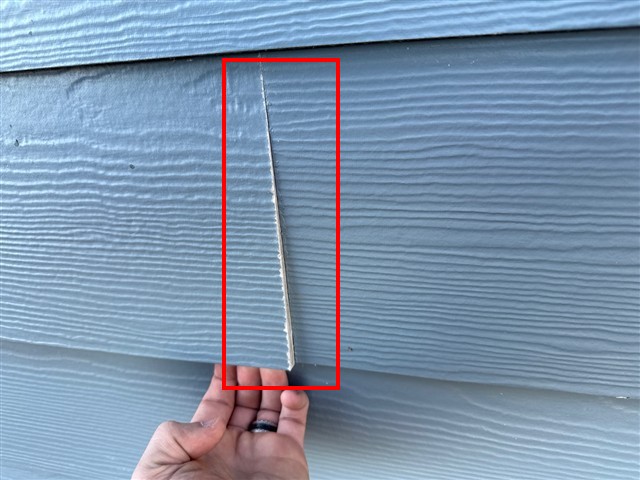
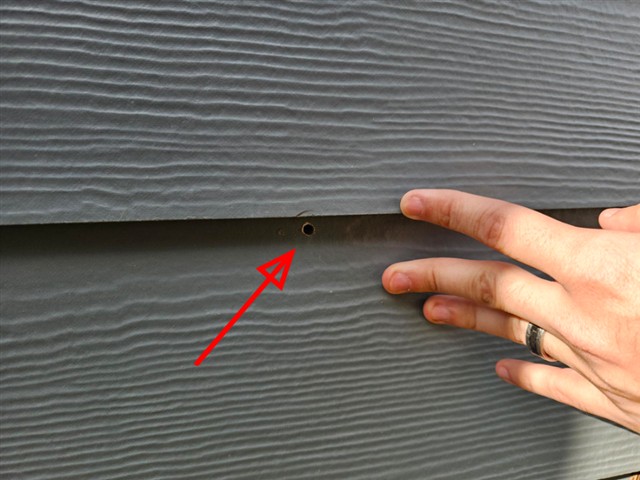
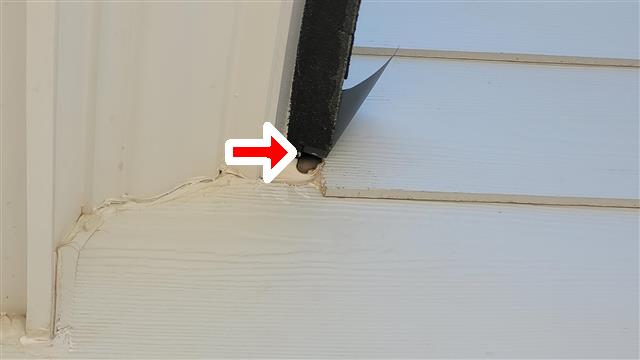
Every home except Home A had this problem. The most common defects were overdriven or exposed nails, damaged boards and buckled siding. Some homes also had missing expansion gaps, unsealed cut ends, poor flashing details, or siding cut wrong at a roof kickout.
Fiber cement siding lasts a long time when it’s installed correctly. Installed wrong, it lets water behind the boards and into the framing. We attached the manufacturer’s installation guidelines to each report so the builder’s siding contractor has a clear standard to repair to.
Breached garage fire separation (Homes B, D and E)
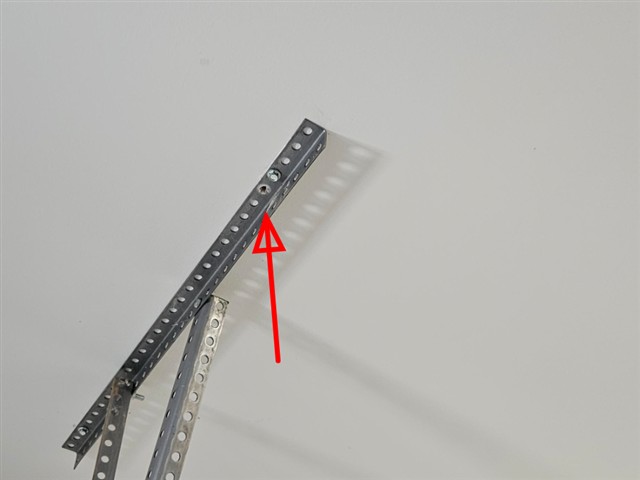
In Homes B, D and E, the fire-rated drywall between the garage and the living space was damaged or penetrated. This separation is there to slow a garage fire from reaching the rest of the home. We flagged each one as unsafe until repaired.
Signs of water inside the home (Homes A, E and F)
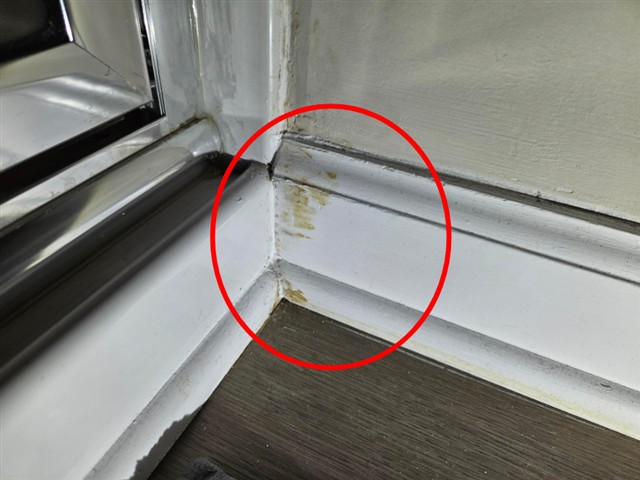
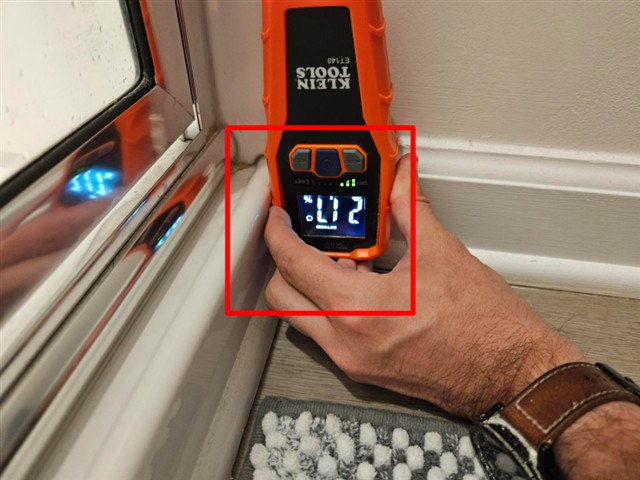
In Home A, wet stains on the baseboard next to the primary shower showed that water was getting out of the shower enclosure. Caught inside the warranty year, it’s the builder’s repair. Left alone, it can become rotted framing and microbial growth inside the wall.
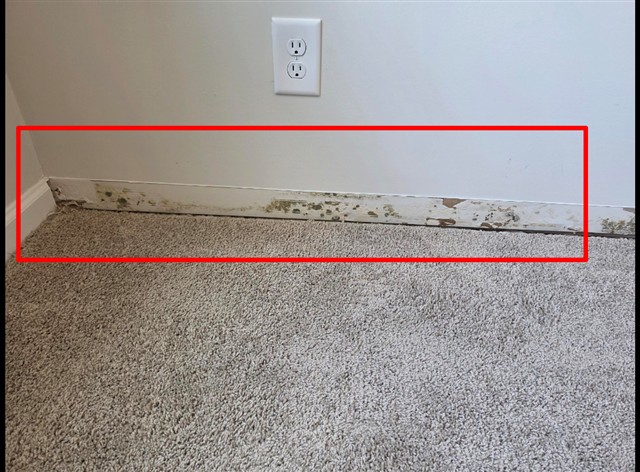
Home E had a water stain on the primary bedroom ceiling and wall. Home F had fungal growth on a bedroom baseboard and water-stained carpet. Our moisture meter and thermal camera showed no active leak in Home F, but after a dry spell we couldn’t rule one out.
Foundation concerns worth a closer look (Homes C and D)
At Home C, the slab behind the AC units had horizontal cracking that may point to foundation movement. We referred it to a licensed general contractor, with a structural engineer if needed. Home C also had ordinary shrinkage cracks, which we recommended sealing and monitoring.
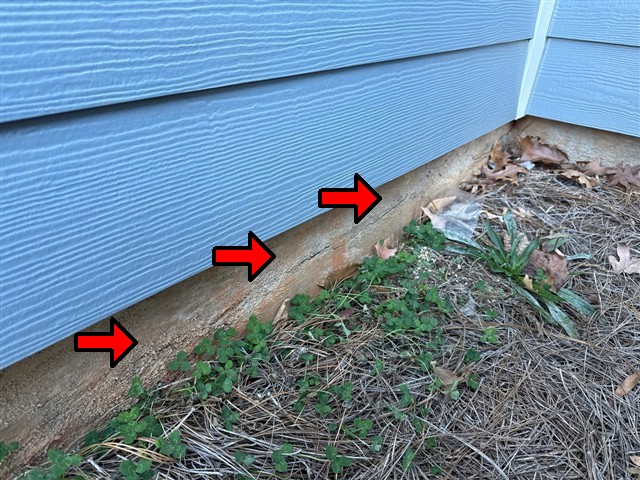
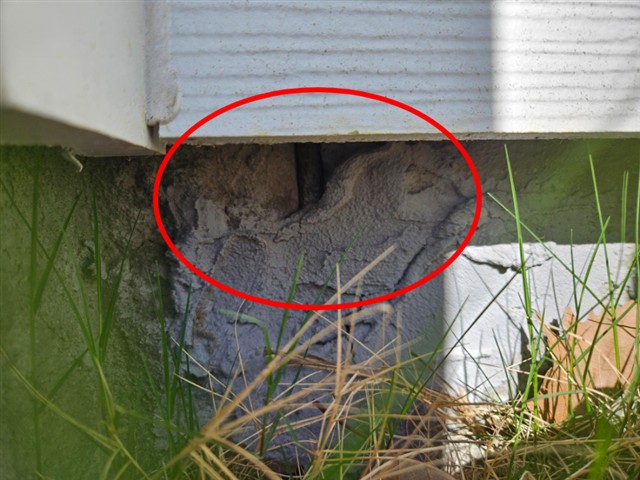
At Home D, foundation bolts had broken through the edge of the slab at the rear. That left gaps under the framing where pests can get in, and one bolt was exposed to rust.
Air conditioning not cooling properly (Homes A and E)
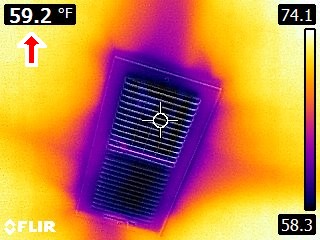
In both homes, the temperature drop across the system was below the normal 14–22°F range. If low refrigerant is the cause, the homeowner should get a written statement from a licensed HVAC contractor that the system was leak tested.
Patterns across all seven homes
The same few problems kept showing up across six towns:
- Siding and trim installation. Six of seven homes had fiber cement siding installed against the manufacturer’s guidelines. All seven had overdriven or exposed fasteners on siding or trim.
- Garage fire separation. Three homes had a damaged or penetrated fire wall between the garage and the living space.
- Water management outside. Four homes had flashing, gutter, downspout or grading problems that send water toward the walls or foundation.
- Attic framing. Three homes had cracked, damaged or defective trusses that need an engineer’s sign-off. Two of those also had damaged roof sheathing.
- Water inside. Three homes showed stains or growth from water getting where it shouldn’t.
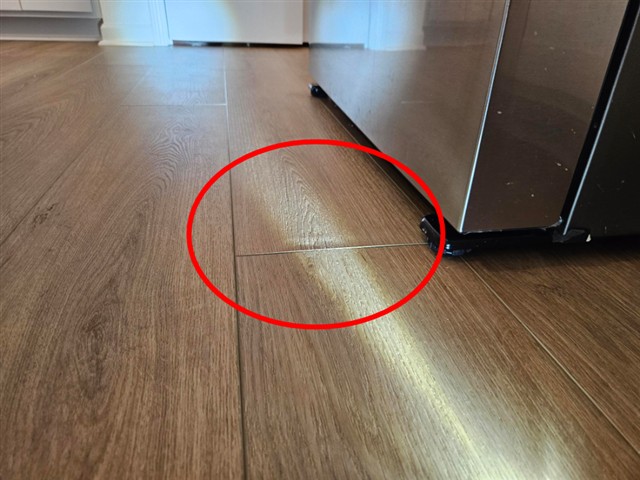
- Floors. Two homes had popping or sagging subfloors, and two had buckling floating floors.
Some of these take months to show up. Others are in places homeowners rarely look, like the attic.
What this means for new-home owners
A new home isn’t a defect-free home. Every home in this study had issues worth raising with the builder, and each owner got a photo-documented report to hand the builder before coverage ran out.
- Schedule in month 10 or 11. That leaves time for the builder to respond and make repairs before the warranty expires.
- Get it in writing. For truss, foundation and refrigerant issues, ask the builder for an engineer’s letter or a licensed contractor’s written statement, not just a verbal “it’s fine.”
- Have the repairs checked. A re-inspection confirms the work was actually done right.
Coverage periods and terms vary by builder, so check your own warranty paperwork for the exact deadline.
Closed on a new home 10 or 11 months ago?
Book your 1-year builder warranty inspection while there’s still time to get repairs covered.
Or call 866-356-2363