
In short: See what a Charlotte condo inspection uncovered in an updated unit: hidden water damage, leaks and a safety issue. Photos and what each one means.
📅 October 30, 2026 • ⏱️ 6 min read
New flooring, fresh paint and clean bathrooms made this third-floor condo look move-in ready. Our inspection found hidden water damage, active leaks and a safety issue that the listing photos never showed.
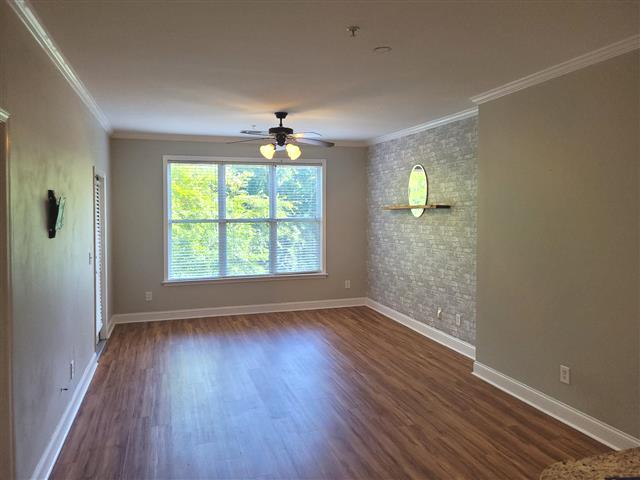
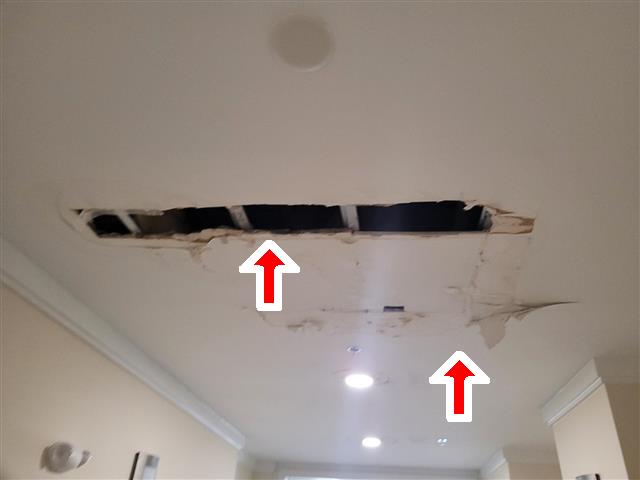
Left: the living room as buyers saw it. Right: the ceiling elsewhere in the same unit.
The property at a glance
| Property | Location | Systems | Condition |
| Condominium | 3rd floor unit | Electric, split HVAC | Recently updated |
Condo buyers often assume there is less to inspect because the HOA handles the roof and exterior. In practice, a condo has the same plumbing, electrical, HVAC and appliances as a house, packed into closets and shared walls where small leaks go unnoticed. This unit is a good example.
What our inspector found
Water damage in the ceiling
Repair · Interior · Moisture
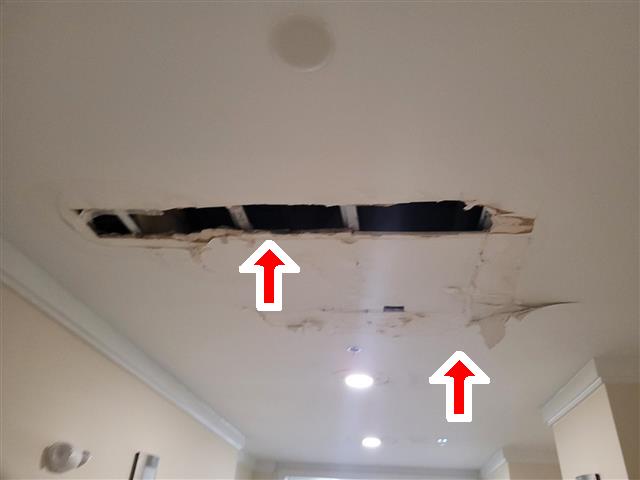
A section of ceiling had been cut open, and the surrounding drywall showed peeling paper and staining. In a multi-story building, water can come from the unit above, a supply line, or the HVAC condensate system. The buyer needs to know where it came from, whether it was fixed, and who paid for it.
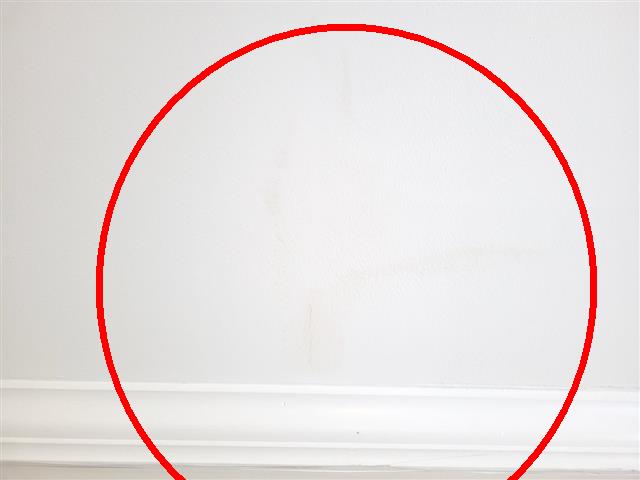
Water stains showing through fresh paint
Evaluate · Interior · Moisture
Stains this faint are easy to miss on a walkthrough, especially in a freshly painted unit. Together with the ceiling damage, they point to moisture that should be traced before closing. This is where a mold test add-on earns its cost.
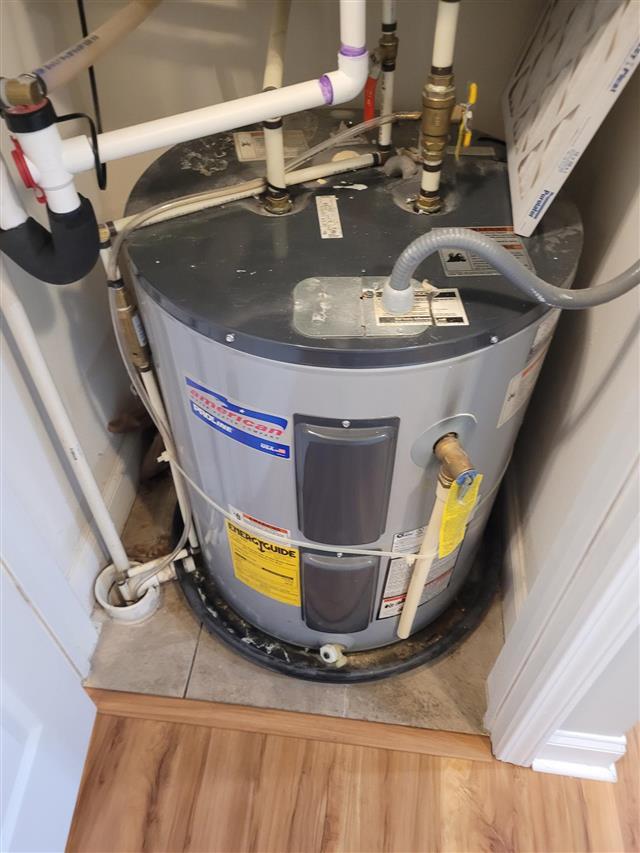
Signs of past leaking at the water heater
Evaluate · Plumbing · Water heater
The drain pan under the electric water heater showed rust staining and debris. A pan is the last line of defense against a leak reaching the unit below. We note the condition, the age, and whether the pan drains properly, because a failed water heater in a condo can mean a claim from your neighbor downstairs.
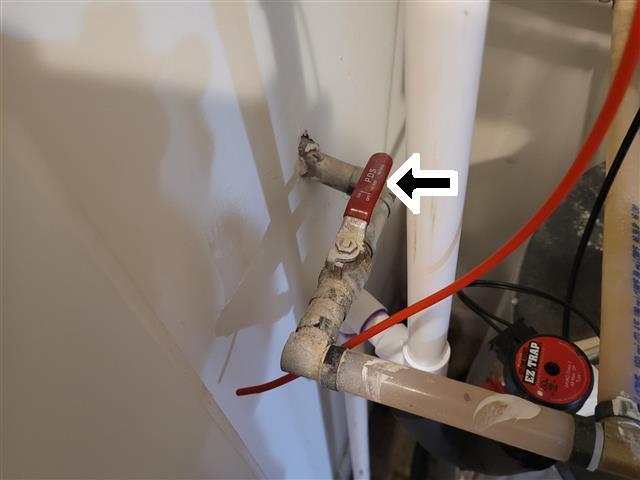
Corroded valve and fittings
Repair · Plumbing · Supply
Mineral buildup and corrosion on this shutoff and its fittings are a sign of slow seepage over time. Valves in this condition may not close when you need them to. We recommended a licensed plumber evaluate and replace them.
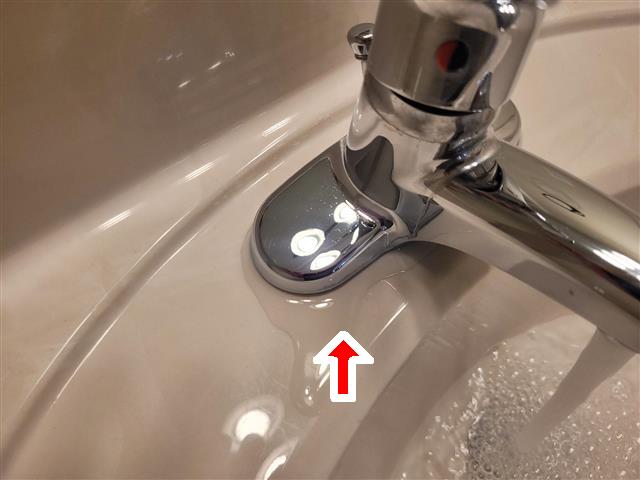
Leaking bathroom faucet
Repair · Plumbing · Fixtures
Water seeped out around the base of the faucet whenever it ran. It is a small repair, but water that gets under the faucet can reach the vanity cabinet below and cause hidden damage. We run every fixture during the inspection to catch leaks like this.
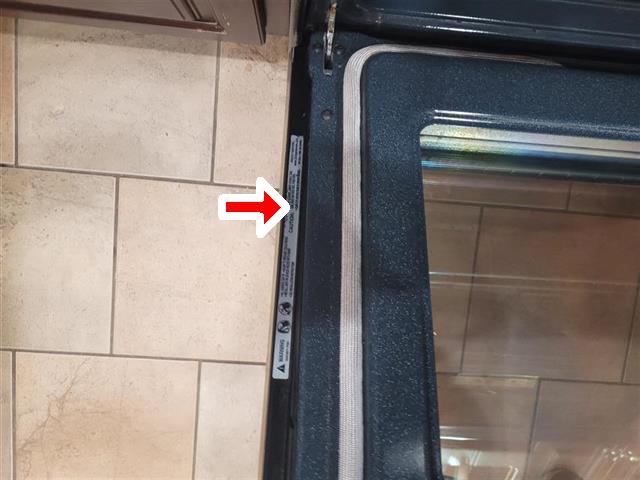
Range anti-tip bracket
Safety · Kitchen · Appliances
Freestanding ranges come with an anti-tip bracket that keeps the range from tipping forward if a child stands on the open door. The manufacturer’s label is on the frame, and our inspectors check whether the bracket is actually installed. It costs a few dollars to fix and prevents a serious injury.
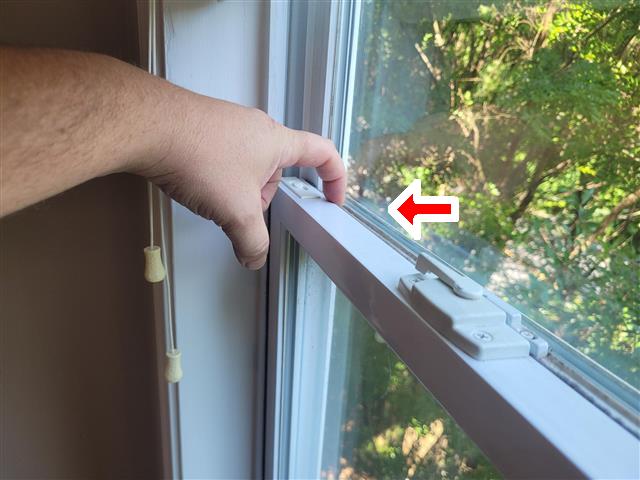
Window sash hardware
Maintenance · Interior · Windows
Our inspectors open and operate a representative number of windows. Here, the sash tilt latch needed attention. Window hardware is easy to repair now and frustrating to discover after you move in.
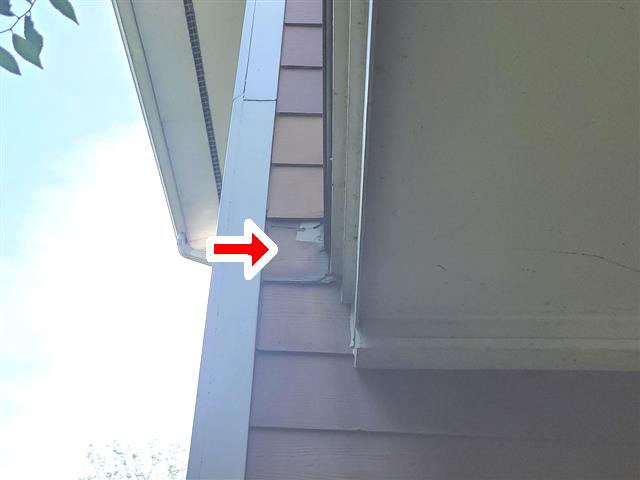
Damaged siding where the roof meets the wall
HOA item · Exterior · Siding
Roof-to-wall junctions are a common entry point for water. Damaged siding here is usually the HOA’s responsibility, but it still affects the buyer. We include exterior items like this so you can ask the HOA when it will be repaired and whether a special assessment is coming.
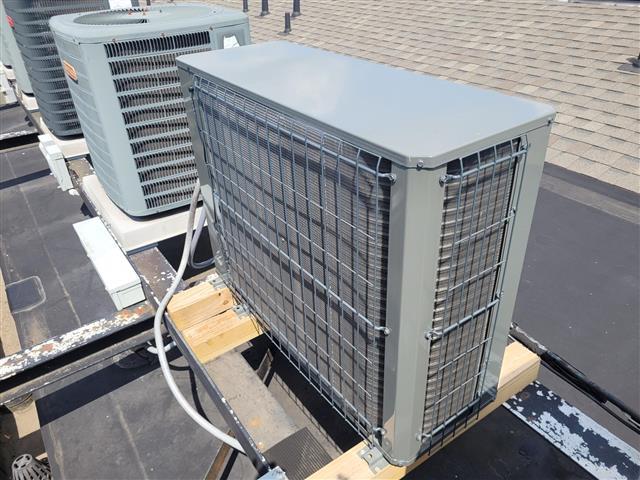
Rooftop condenser on wood blocking
Monitor · HVAC · Outdoor unit
The condenser for this unit sits on the building’s roof, raised on wood blocks. Wood deteriorates over time and can let the unit shift or sit unevenly. It is worth asking the HOA who maintains the rooftop equipment and how often it is checked.
Systems we evaluated without major concerns
Not every photo in a report is a problem. We also document what is working, so buyers know the condition of the big-ticket systems.
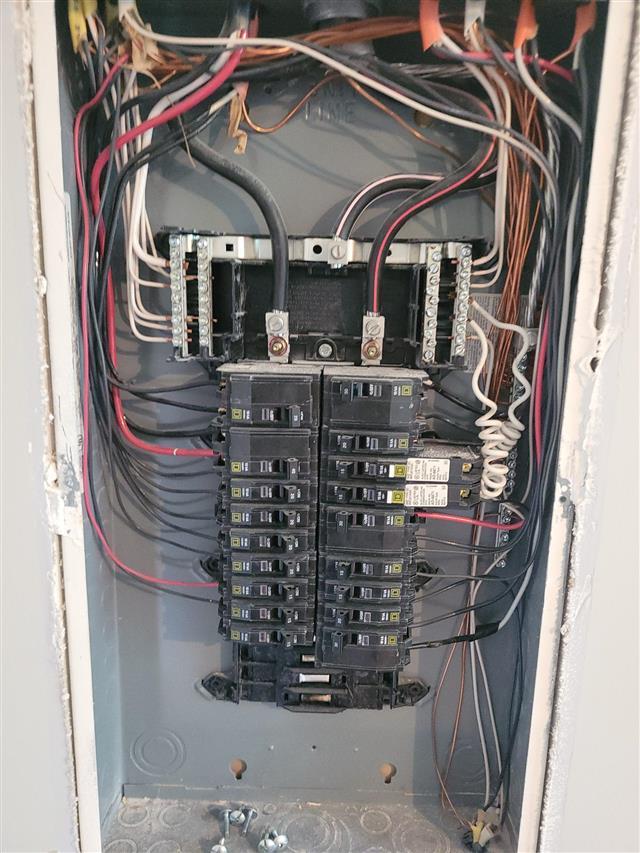
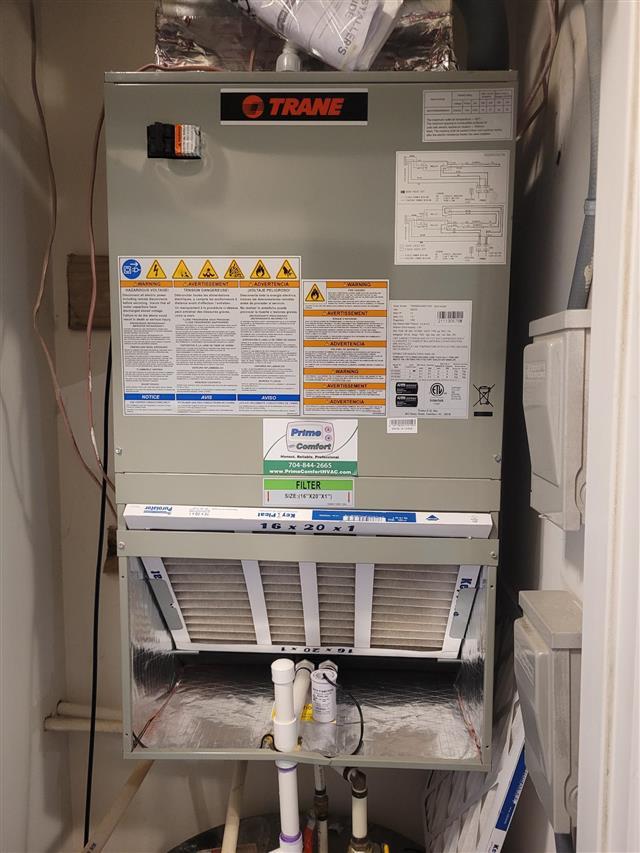
Left: we remove the electrical panel cover to inspect the wiring and breakers. Right: the air handler and filter in the utility closet.
What this meant for the buyer
None of these findings made the condo a bad purchase. They gave the buyer specific, documented items to work with before closing:
- Ask the seller for records of the ceiling repair and the source of the leak.
- Request repair of the faucet, the corroded valve and the range anti-tip bracket.
- Have a plumber look at the water heater and its drain pan.
- Ask the HOA about the siding damage, the rooftop equipment and any upcoming assessments.
Why a condo inspection matters
Condos share walls, ceilings and plumbing with neighbors. A leak in your unit can damage the one below, and a leak above can damage yours. An inspection tells you what you are responsible for and what to ask the HOA before you sign.
Common questions about condo inspections
Do I need a home inspection for a condo?
Yes. The HOA usually covers the roof and exterior, but you are responsible for everything inside your unit, including plumbing, electrical, the water heater, HVAC equipment and appliances. As this case study shows, those are where many problems hide.
Does a condo inspection include the roof and exterior?
We note visible exterior and common-area conditions that affect your unit, like the siding damage and rooftop equipment shown here. The HOA is typically responsible for repairs, but knowing about them helps you ask the right questions.
Should I add mold testing to a condo inspection?
If the inspection turns up water stains, past leaks or repaired ceilings, mold testing is a smart add-on. AHI also offers radon testing and sewer scope inspections.
How long does it take to get my report?
Every AHI report is proofread and customized to the home, with photos like the ones above. Reports can take up to 72 hours, and if you attend the inspection, your inspector will give you an estimated delivery time.
Buying a condo in the Charlotte area?
AHI Residential and Commercial Inspections has been inspecting Charlotte-area homes and condos for more than 20 years, backed by a 100% satisfaction guarantee.
Or call 866-356-2363