In short: Prepare for a home inspection when buying a house. Use our buyer's checklist for the exterior, systems, & structure before making an offer.
📅 September 28, 2026 • ⏱️ 7 min read
A home inspection when buying a house is the only way to know a property’s true condition, but a walk-through during the showing can still help you catch warning signs before you get that far. Buying a home is exciting, but it is also important to look beyond fresh paint, new flooring, and attractive staging.
While a home showing can help you spot obvious concerns, it is not a substitute for a professional home inspection. A trained home inspector evaluates hundreds of components and systems, often identifying issues that are not readily visible during a casual walk-through.
Knowing what to look for during your first visit can help you identify potential concerns before spending time and money submitting an offer. Use this checklist during your next home tour to make a more informed decision.
Important Limitations of a Casual Walk-Through
Before you start your tour, remember that a visual walk-through only scratches the surface. A professional home inspector evaluates much more than what is visible during a showing, including:
- Specialized Equipment: Thermal imaging cameras can help identify hidden moisture intrusion, insulation deficiencies, and other conditions not visible to the naked eye.
- Hard-to-Reach Areas: Inspectors evaluate attics, crawl spaces, roofs, and other areas that buyers typically cannot safely access.
- System Evaluation: Electrical, plumbing, HVAC, structural, and safety components receive a more thorough assessment than is possible during a showing.
Under InterNACHI’s Standards of Practice, inspectors report on every visible and accessible component of the home. That’s a level of detail this checklist can only approximate.
Use the guide below to spot potential concerns, but always rely on a professional inspection before making your final decision, and see our roundup of the most common home inspection defects we find in Charlotte-area homes for a sense of what typically turns up.
1. Start with the Exterior
The exterior often provides clues about how well a home has been maintained.
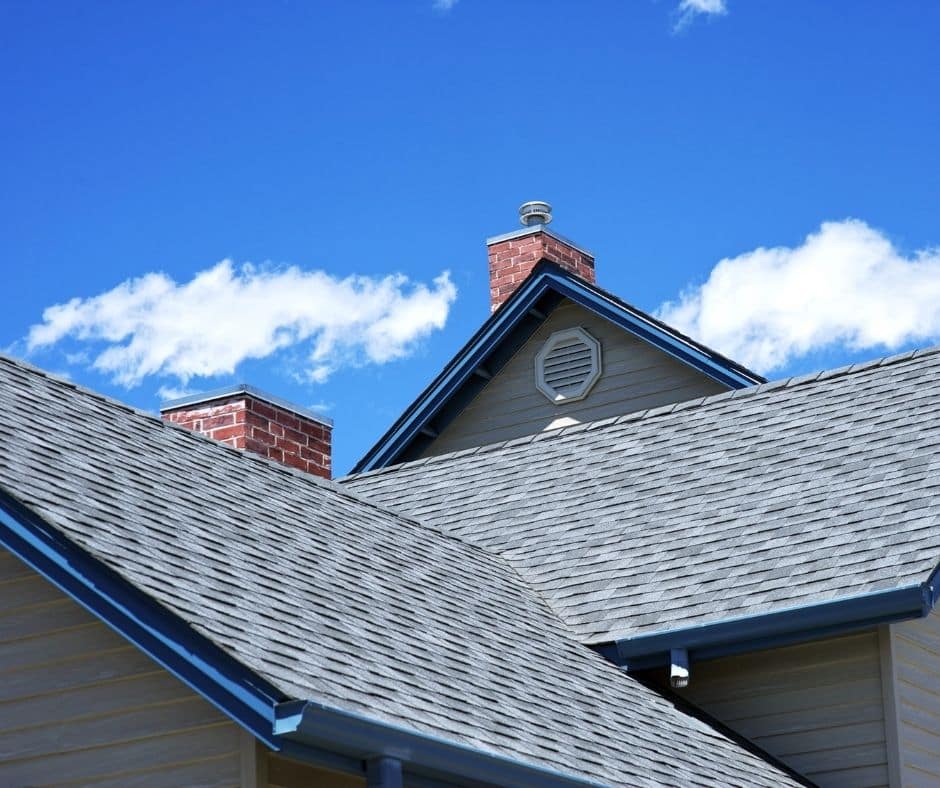
Roof
- Missing, curling, or damaged shingles
- Uneven roof lines or sagging areas
- Excessive granule loss on asphalt shingles
- Stains around roof penetrations such as vents or chimneys
Trees & Vegetation
- Tree limbs touching or hanging over the roof
- Branches rubbing against siding or gutters
- Excessive vegetation against the home’s exterior
- Debris accumulation from nearby trees
Overhanging branches can damage roofing materials, clog gutters, and provide access for rodents and other pests.
Gutters & Drainage
- Gutters pulling away from the home
- Overflow stains beneath gutters
- Downspouts discharging too close to the foundation
- Standing water in the yard after rain
Siding & Trim
- Cracked, warped, or missing siding
- Rotting wood trim
- Peeling paint around windows and doors
- Deteriorated caulking at exterior penetrations
Proper installation and maintenance are important factors in the long-term performance of these products.
2. Evaluate the Foundation and Structure
Most homes experience some normal settling over time, but certain signs deserve closer attention.
Foundation
- Any horizontal cracks
- Any stair-step cracks in masonry
- Areas where foundation walls appear bowed
- Water intrusion or dampness in crawl spaces or basements
Minor Settling
Small vertical cracks are common and often not a major concern. However, make note of:
- Cracks wider than 1/4 inch
- Uneven floors
- Gaps around windows and doors
Doors and Windows
- Doors that do not latch properly
- Windows that are difficult to open
- Visible gaps around frames
3. Look for Plumbing Concerns
Water damage can become expensive if hidden issues go unnoticed.
Under Sinks
- Active leaks or water stains
- Mold-like growth
- Damaged cabinet floors
Water Heater
- Rust at plumbing connections
- Corrosion on the tank
- Signs of leaking
- Age approaching its typical service life
Water Pressure
- Turn on faucets and showers to check for weak flow
- Observe how quickly hot water arrives
4. Check the Electrical System
Electrical upgrades can be costly, making this area worth a careful look.
Electrical Panel
- Modern circuit breakers instead of fuses
- Clear and organized labeling
- No visible rust or moisture staining
Outlets and Switches
- Loose outlets
- Missing cover plates
- Flickering lights
- Burn marks or discoloration
General Observations
- Adequate number of outlets
- Extension cords being used as permanent wiring
- Evidence of unfinished electrical work
5. Assess the HVAC System
Heating and cooling systems are among the most expensive components of a home.
During the Showing
- Does the home feel comfortable?
- Is conditioned air coming from the vents?
- Are there unusual odors when the system operates?
Equipment Condition
- Excessive rust
- Dirty filters
- Damaged ductwork
- Missing service records or tags
6. Watch for Water Intrusion and Moisture Issues
Water is one of the most common causes of costly home repairs.
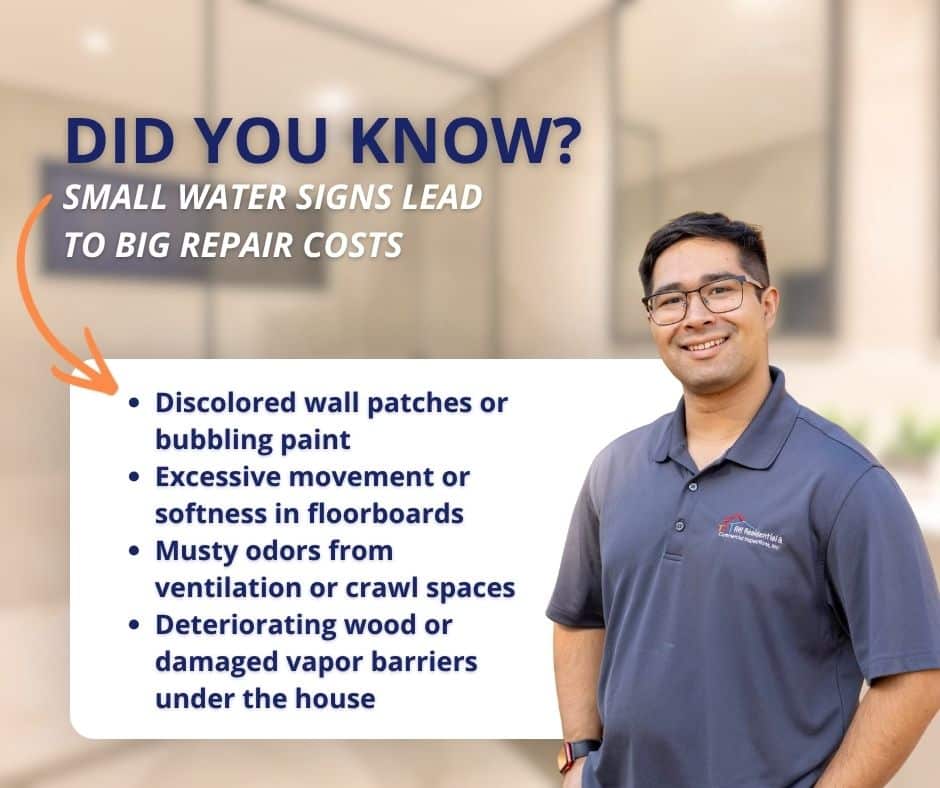
Ceilings and Walls
- Yellow or brown stains
- Bubbling paint
- Unusual patches or repairs
Floors
- Warped hardwood flooring
- Soft spots
- Uneven tile
- Excessive floor movement
Odors
A musty smell may indicate:
- Previous water intrusion
- Crawl space moisture issues
- Ventilation concerns
- Hidden leaks
Crawl Spaces
Crawl spaces are common in the Charlotte-metro area. If accessible, look for:
- Standing water
- Excessive moisture
- Damaged or missing vapor barriers
- Signs of mold or wood deterioration
7. Inspect the Garage and Driveway
These areas are often overlooked during showings.
Garage
- Cracks in the slab
- Water stains
- Damaged framing
- Proper operation of the garage door
Driveway & Walkways
- Significant settlement
- Trip hazards
- Drainage issues
- Large cracks
8. Review General Safety Features
Smoke and Carbon Monoxide Alarms
- Present in appropriate locations
- Not excessively yellowed or outdated
Railings
- Secure handrails on stairs
- Stable deck railings with minimal movement
Stairs and Walking Surfaces
- Uneven steps
- Missing handrails
Your Walk-Through Summary
Use this summary to assess where the property stands based on your initial visual findings. Depending on what you observed, these guidelines will help steer your next steps and professional discussions before closing.
| No Major Concerns Observed | The home appears visually well-maintained, but critical systems and components should still be professionally evaluated. |
| Some Concerns Noted | You identified a few items worth discussing with your real estate agent and home inspector. |
| Significant Concerns Observed | You noticed conditions that warrant further evaluation before moving forward with the purchase. |
Related Questions to Explore
- Do you need a home inspection when buying a house? Yes. Lenders don’t always require one, but skipping it means finding out about roof, foundation, or electrical problems after you already own them. A walk-through checklist like this one helps you flag concerns early; a full inspection is what confirms or rules them out.
- Who pays for the home inspection when buying a house? In most transactions, the buyer orders and pays for the home inspection, since it protects the buyer’s decision to move forward with the purchase.
- What happens during a home inspection? A licensed inspector spends 2–4 hours evaluating the home’s accessible systems and components: roof, structure, electrical, plumbing, HVAC, and more. They walk you through the findings in person before delivering a written report.
- How much does a home inspection cost when buying a house? Cost varies by home size and the ancillary services you add (radon, mold, well testing). See our full home inspection cost breakdown for the Charlotte area for current pricing.
- What happens after the home inspection? You’ll receive a detailed report covering the home’s condition, safety concerns, and recommended repairs. From there, you and your agent typically use the findings to negotiate repairs, credits, or price adjustments with the seller.
When to Call a Professional
A home showing provides only a limited opportunity to evaluate a property. Many important components, including the roof, attic, crawl space, electrical system, plumbing system, HVAC equipment, insulation, and structural elements, require a more detailed assessment than a typical walk-through allows.
A professional home inspection helps uncover defects, maintenance concerns, safety issues, and potential future expenses before closing. The National Association of Realtors’ consumer guide to home inspections offers a good buyer-side overview of why this step matters regardless of who you hire.
At AHI Residential and Commercial Inspections, we provide comprehensive home inspections throughout the Charlotte region, helping buyers make informed decisions with confidence. If you’re still narrowing down who to hire, our guide to choosing a qualified home inspector in Charlotte walks through what licensing and credentials to check for.
Conclusion
Before purchasing one of the largest investments of your life, make sure you have the information necessary to understand the property’s condition and make the best decision for your family. This checklist can help you catch obvious concerns during a showing, but it isn’t a substitute for a licensed inspector’s report.
Schedule your home inspection with AHI Residential and Commercial Inspections and get a thorough, same-day report from an experienced Charlotte-area team.