Finding the right house in Charlotte’s competitive real estate market is exciting, but a property with hidden electrical issues can quickly turn into a costly surprise after closing.
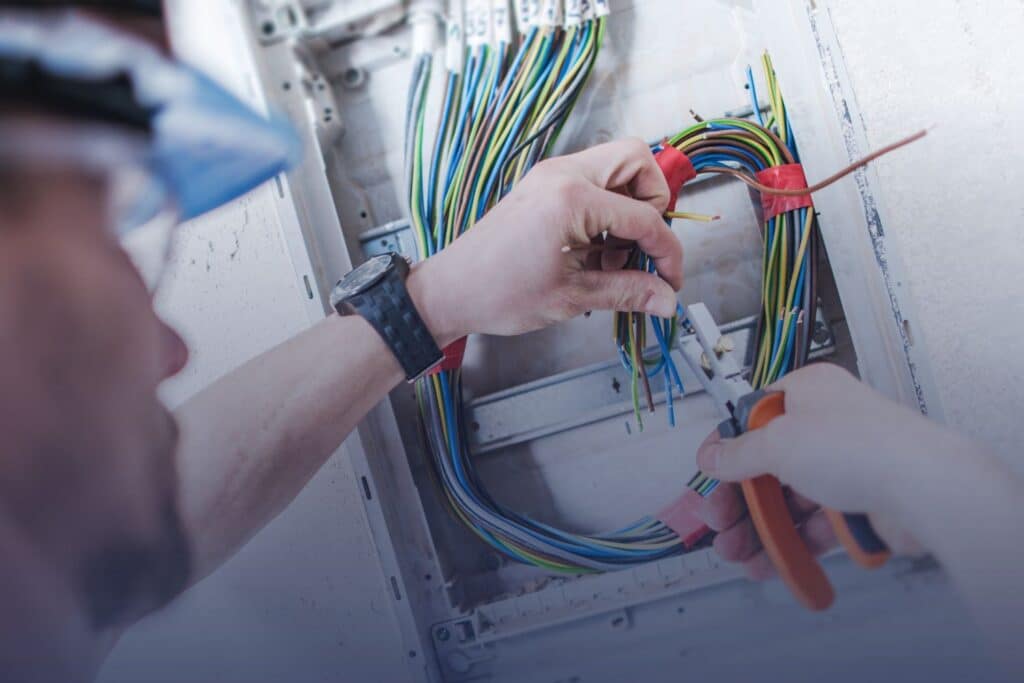
A circuit breaker that trips during a showing, an outlet that feels warm, or lights that flicker are usually the first visible signs of faulty electrical wiring in a home.
These faulty electrical wiring symptoms are easy to overlook when you’re focused on floor plans, kitchens, and cosmetic finishes. However, catching them during your due diligence period protects your investment, and they don’t have to be a dealbreaker.
Most electrical issues found on a home inspection are negotiable repair items, not reasons to walk away from a property you love.
At AHI Residential & Commercial Inspections, we check every electrical panel, outlet, and visible wiring run as part of our standard Home Inspection Services. Here’s how to spot electrical issues on a home inspection, what they mean for your purchase, and how to use them at the negotiating table.
Buyer’s Quick-Reference Guide
Spotting an electrical issue before you make an offer or during your due diligence window saves you thousands in unexpected post-closing repairs.
|
Sign Spotted |
What It Means |
Impact on Your Purchase |
|
Breaker trips repeatedly |
Overloaded circuit or failing panel |
Standard repair-request item |
|
Flickering or dimming lights |
Loose connection or shared circuit |
Flag for closer electrical review |
|
Burning smell near outlets/panel |
Active fire hazard, melting insulation |
Same-day safety issue, not negotiable |
|
Warm or discolored outlet |
Heat buildup from a loose connection |
Request as a pre-closing repair |
|
Exposed or cracked wiring |
Pest damage or deteriorated insulation |
Request repair or credit before closing |
|
Mild shock from a switch |
Ungrounded circuit or a short circuit |
Urgent safety repair item |
Why Older Charlotte Homes Fail Electrical Checks
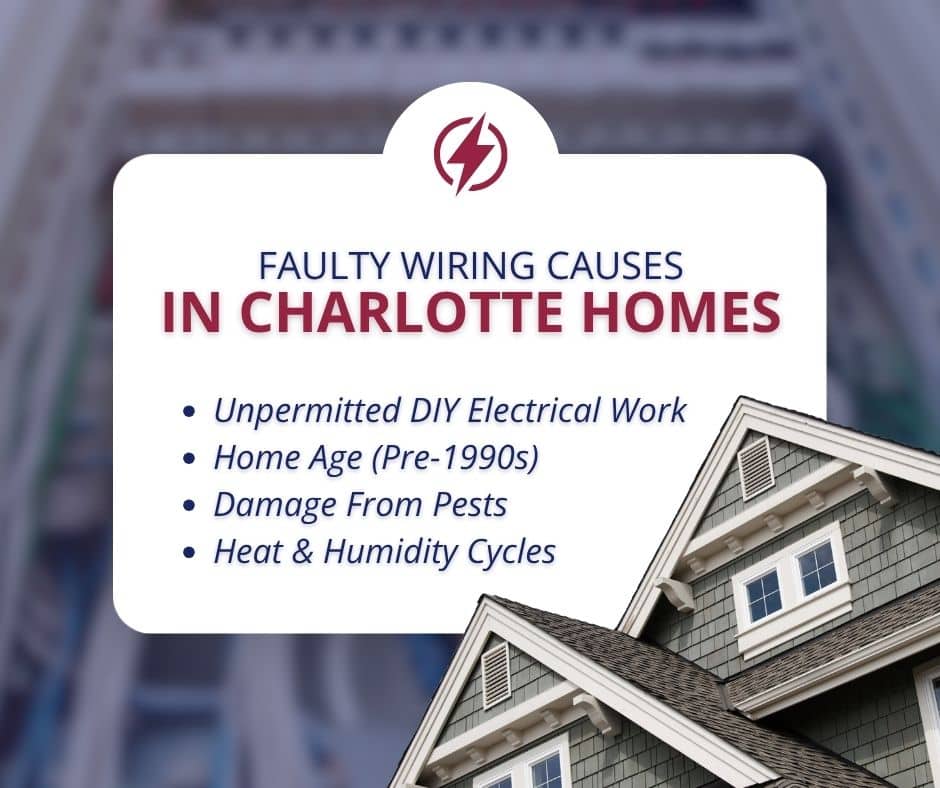
If you’re shopping in Charlotte’s historic or established neighborhoods, put the electrical condition on your radar early. Four factors drive most electrical wiring problems in older homes:
- Systemic Under-Sizing: Homes built before the 1990s were wired for far less power than a modern household uses. EV chargers, smart appliances, and home offices easily overwhelm a legacy system.
- Unpermitted DIY Work: An extra outlet or a finished bonus room wired without a licensed electrician is the single most common source of loose connections and overloaded circuits we find.
- Pest Damage: Squirrels and rodents frequently chew through wire insulation in attics and crawl spaces. The damage stays completely invisible until a professional looks for it.
- Thermal Expansion: Charlotte’s swings between humid summers and cold winters cause wiring to expand and contract. This loosens splices over time, especially in older aluminum branch wiring.
Your Breaker Trips Repeatedly
If a breaker trips while you’re touring a home, or your inspector notes repeated trips, the system is trying to tell you something. A single trip from a shared hair dryer and space heater is normal. Repeated, unexplained trips mean one of these:
- An unsafely overloaded circuit layout
- Loose connections or terminations inside the electrical panel
- Wiring that has degraded enough to short intermittently
According to national data from the U.S. Fire Administration (USFA), electrical malfunctions cause an estimated 23,700 residential building fires in the U.S. every year. A failing panel or overloaded line is one of the most common starting points.
Charlotte Local Note: Homes in older neighborhoods like Plaza Midwood, Elizabeth, and Dilworth often still have original fuse boxes. Sellers sometimes swap in a higher-amperage fuse to stop the tripping, but that hides an overload problem instead of fixing it. Our home inspectors check for this dangerous shortcut specifically.
Flickering, Buzzing, or Dimming Lights
Do the lights dim when the AC kicks on during a showing? Do you hear a buzzing sound near a wall switch? This points to:
- A worn-out toggle switch mechanism
- A loose wire nut or a faulty splice hidden behind the wall
- A major appliance sharing a circuit with the lighting, causing a sudden voltage dip on startup
Flickering alone isn’t a reason to walk away from a real estate deal, but it means the electrical layout needs rework or dedicated circuits. Be sure to factor that future cost into your initial offer or repair request.
Burning Smells Near Outlets or the Panel
A distinct burning-plastic, ozone, or fishy odor near an outlet, switch, or electrical panel means wire insulation is actively melting. If you notice this during a home showing or inspection, treat it as an urgent hazard.
The current owner must cut power to that circuit immediately, and a licensed contractor must confirm the fire risk is fully resolved before you move forward with the home purchase.
Warm, Discolored, or Scorched Outlets
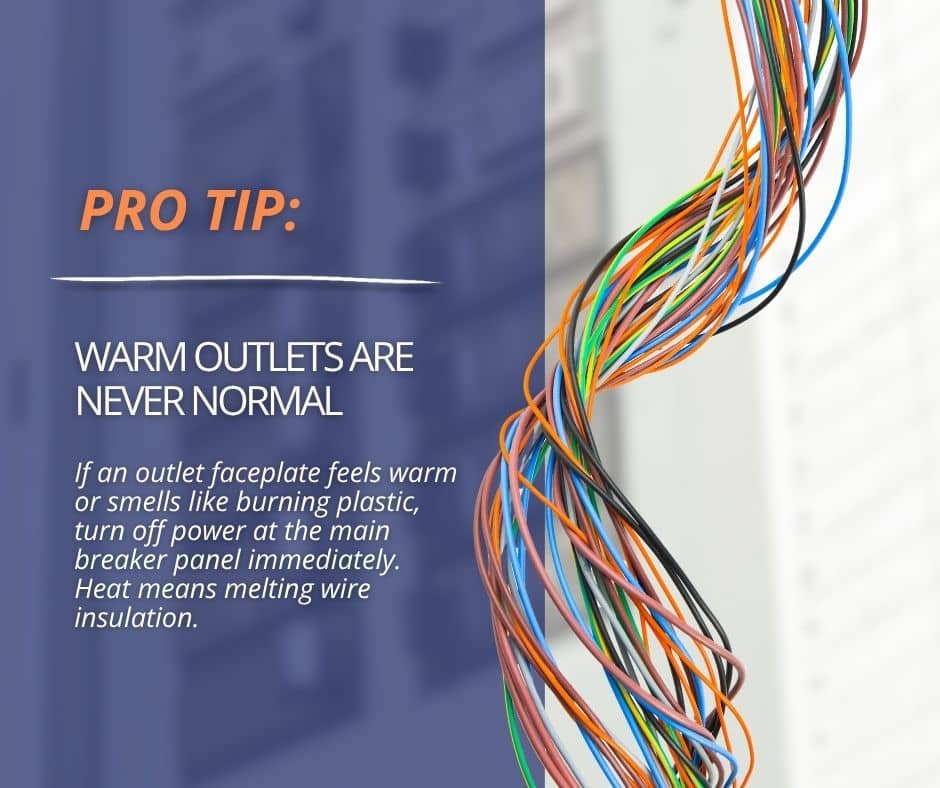
Cover plates that have turned brown, yellow, or black around the plug entries mean intense heat is building up behind your drywall. This occurs from a loose connection or an overloaded circuit and shows up most often in kitchens and bathrooms where high-draw appliances share vintage lines.
Those rooms should always feature modern GFCI-protected outlets, which trip automatically on a ground fault. While that is a helpful safety backstop, a GFCI does not fix underlying heat buildup from loose connections behind the wall plate.
Exposed, Cracked, or Chewed Wiring
Attics, crawl spaces, and garages are the most common places to find physical wire damage from age, past renovations, or pests. Bare copper or cracked rubber insulation is an urgent structural repair item.
Charlotte Local Note: Some historic properties still contain active sections of original knob-and-tube wiring in the attic. It lacks a ground wire, wasn’t built for modern electrical loads, and its rubber insulation turns completely brittle with age.
Finding active knob-and-tube wiring often signals that a home needs a full electrical upgrade, not just a single-outlet fix. That’s a critical conversation to have with the seller before closing, not after.
Mild Shocks From Switches, Outlets, or Appliances
A tingling sensation or a static prick when touching a switch, outlet plate, or appliance handle means the circuit isn’t properly grounded, or there is a live short in the wiring feeding it.
This is most common in homes with older two-prong, ungrounded outlets, which were standard before the early 1960s and remain in service in some of Charlotte’s older properties. A two-prong outlet isn’t automatically a code violation for its age, but any physical shock from one deserves a closer look from a qualified inspector.
Using Your Inspection Report to Negotiate
Finding electrical red flags during a home search doesn’t mean walking away. Instead, it gives you powerful leverage. A documented, third-party inspection report lets you:
- Request Seller Repairs: Ask the seller to hire a licensed electrician to bring the home’s system completely up to modern code before closing.
- Negotiate a Credit: Take a price reduction or closing credit instead, allowing you to handle the panel or wiring upgrade on your own timeline after moving in.
- Protect Your Earnest Money: A proper due-diligence clause lets you walk away with your deposit intact if the hidden electrical issues are structural and too costly to justify the purchase.
Related Questions to Explore
- How do I know if a house has bad wiring before I make an offer? Watch for the six signs listed above during your private showing. Pay close attention to light switches, warm plates, and the age of the main electrical panel. Most importantly, don’t skip a comprehensive property assessment during your due diligence window. Certified inspectors check the panel, test a wide sample of outlets, and check accessible attic or crawl space lines that are easy to miss on a casual walkthrough.
- Who pays for faulty wiring when buying a house? In a standard North Carolina real estate transaction, who pays for faulty wiring when buying a house is entirely determined by negotiations during the due diligence period. Electrical safety hazards found during an inspection are commonly negotiated as seller-paid repairs before closing or as a financial credit to the buyer. Your real estate agent can advise you on what is typical for your specific contract terms.
- Is faulty wiring a dealbreaker when buying a home? Usually not. Most electrical issues on a home inspection, including loose connections, aging outlets, or minor code updates, are straightforward for a licensed electrician to repair. However, if the home requires a complete historical re-wiring (such as replacing old knob-and-tube or aluminum wiring) and the seller refuses to assist with the costs, it may become a dealbreaker depending on your renovation budget.
When to Call a Professional
A single flickering bulb or one storm-related trip usually isn’t an emergency. Repeated trips, warm outlets, burning smells, visible wire damage, or any shock mean it’s time to call a licensed electrician right away.
The National Fire Protection Association recommends having a qualified electrician evaluate any home more than 40 years old without a documented rewiring.
Safe to monitor:
- A single breaker trip during a storm or a one-time appliance overload
- A bulb that flickers only when it’s loose in the socket
Call an electrician now:
- Any burning smell, warm outlet, or scorch mark
- Exposed, cracked, or chewed wiring anywhere in the home
- A shock from a switch, outlet, or appliance, even a mild one
- Breaker trips that repeat more than once a month
Buying or selling in the Charlotte area? Our inspectors check the panel, a representative sample of outlets and switches, and accessible wiring as a standard part of every inspection, and a documented finding often gives buyers leverage to negotiate repairs before closing.
Conclusion
Faulty wiring rarely announces itself with one dramatic failure. The first signs of faulty electrical wiring are a tripped breaker, a flicker, a smell, or a warm outlet, and each of those is worth taking seriously on its own.
- Repeated breaker trips, warm outlets, and burning smells are the signs that need attention fastest.
- Visible wire damage and shocks from switches or appliances should never wait for a “someday” fix.
- A home inspection in Charlotte, NC catches many of these signs early, whether you’re buying, selling, or just want peace of mind about the home you already own.
Don’t guess about the safety of your next investment. Contact AHI Residential & Commercial Inspections today to schedule a detailed home inspection and buy your next Charlotte property with total confidence.