
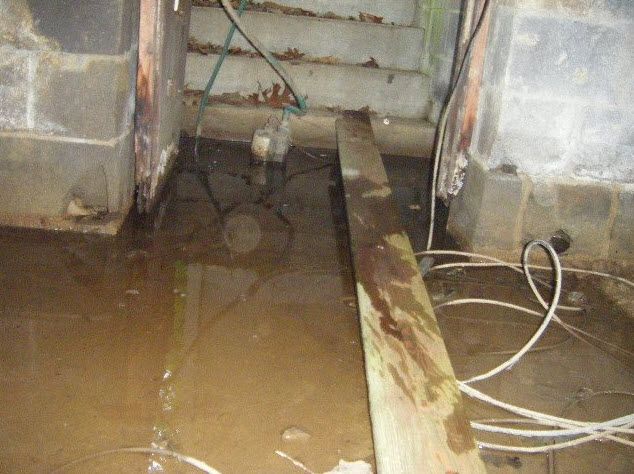
A basement is a versatile asset, providing extra storage, a functional laundry room, or even a finished living area. However, because they are below ground level, basements are highly susceptible to excess moisture.
If left untreated, a damp basement becomes a breeding ground for mold and bacteria, leading to potential health risks and significant structural damage. Maintaining a clean, dry basement is a vital—yet often overlooked—chore that protects your entire property.
Why a Dry Basement is Essential for Your Home
Many modern homes are built without basements specifically to avoid moisture issues. If your home has one, keeping it dry is a top priority. During a professional home inspection, inspectors often emphasize that a moisture-free basement is the secret to a stress-free, durable home.
Common signs of moisture problems include:
- Peeling wallpaper or bubbling paint.
- A persistent musty or damp smell in the air.
- Visible mold growth on walls or furniture.
Often, these issues stem from hidden culprits like poor guttering or undiscovered plumbing leaks. While these aren’t always visible to the untrained eye, a certified home inspector can identify these risks before they become costly repairs.
7 Tips to Control Basement Moisture and Humidity
If you notice signs of dampness, it’s important to act quickly. Here are the most effective ways to diagnose and treat basement moisture:
- Diagnose the Root Cause: Determine if the moisture is coming from interior humidity or exterior seepage.
- Repair Plumbing Leaks: Check for pipe breakages and insulate cold water pipes to prevent condensation drips.
- Improve Ventilation: Ensure your basement has efficient vents to allow for proper airflow.
- Install a Dehumidifier: This is the most effective way to maintain consistent, healthy humidity levels (ideally between 30-50%).
- Check Exterior Grading: Ensure your downspouts are clear and the ground slopes away from your foundation to prevent water from pooling against the walls.
- Avoid Storing Wet Items: Never store damp clothes or gear in the basement; air them out completely in a well-ventilated area first.
- Reseal Concrete Walls: Use a high-quality masonry waterproofer to prevent moisture from seeping through porous concrete.
A home inspector is your best ally when you suspect a problem but can’t pinpoint the cause. While a contractor fixes a known issue, a certified home inspector provides an objective, forensic assessment to find out why your basement is damp in the first place.
When to Call a Home Inspector Immediately
You should reach out to a professional if you notice any of the following “red flags”:
- Structural Warning Signs: Visible horizontal or large stair-step cracks in foundation walls, or walls that appear to be bowing inward.
- Unidentifiable Moisture: You can smell a strong musty odor or see water stains, but there are no obvious leaks from pipes or windows.
- Recurring Issues: Dampness that returns after every rainstorm or remains consistent regardless of the weather.
- Physical Symptoms: If family members experience increased allergies, headaches, or respiratory issues specifically when they are in the basement.
Strategic Times for an Inspection
Beyond emergencies, it is wise to schedule an inspection during these key milestones:
- Before Buying a Home: Never skip a professional home inspection during a purchase; it can reveal hidden water damage that might “torpedo” your mortgage approval later.
- Before Major Renovations: Ensure your foundation is sound and dry before investing in finishing a basement.
- After Severe Weather: Following a flood or an unusually heavy storm season, an inspector can check if your waterproofing systems were compromised.
- During the Selling Process: A pre-listing inspection (ideally 60–90 days before listing) allows you to fix issues on your own terms rather than under the pressure of a buyer’s deadline.
What an Inspector Brings to the Table
Unlike a standard DIY check, inspectors use specialized tools to “see” through walls:
- Infrared (Thermal) Cameras: Detect temperature differences that indicate hidden leaks or missing insulation.
- Moisture Meters: Quantify exactly how much water is trapped inside wood or drywall to distinguish between surface condensation and deep-seated rot.
- Hygrometers: Measure the ambient humidity to determine if your ventilation is actually working.
When hiring, prioritize an inspector who is not affiliated with a repair company to ensure their advice is unbiased and focused on diagnosis rather than selling a service.
Call (704) 774-8765 Today or Click To Schedule Online 24/7 Right From Our Website.