// Services
Pre-Drywall Inspection
Although a third-party pre-drywall inspection is not required, it is strongly recommended. Builders across all price points encounter items that require correction, and most homeowners are not trained to identify construction defects during a framed walk-through. A professional pre-drywall inspection helps protect your investment before problems are sealed behind the walls.


What Is Inspected During a Pre-Drywall Inspection
A pre-drywall inspection is a specialized home inspection performed during the construction of a new home, just before drywall or sheetrock is installed. At this stage, critical components such as framing, electrical, plumbing, and HVAC systems are fully exposed, allowing potential issues to be identified while they are still visible and accessible. This allows defects to be corrected early, when repairs are typically faster and less costly.
Items We Check During an Inspection
Structural Components
- Foundation
- Floors, walls, columns, piers, and ceilings
- Roof framing
Exterior Components
- Wall claddings, trim, and rough-in components
- Visible flashings and house wrap installation
- Window flashing details
- Patios, decks, balconies, porches, stoops, and steps
Roofing
- Installed roof coverings or underlayment
- Visible roof flashings and penetrations
Plumbing
- Water supply and distribution rough-ins
- Drain, waste, and vent piping
- Fuel storage and distribution piping
Electrical
- Service equipment and distribution panels
- Branch wiring rough-ins
Heating & Cooling
- HVAC equipment rough-ins
- Chimneys, flues, and vents
- Ductwork and distribution systems
Interior
- Wall framing and stair structures
- Window condition, function, and flashing
Insulation & Ventilation
- Attic and foundation ventilation
- Kitchen, bathroom, and laundry vent rough-ins
The content above represents a general overview of what is included in a typical pre-drywall inspection. For a complete list of inspected items, exclusions, and limitations, please click here.
Common Issues Found During a Pre-Drywall Inspection
It is not uncommon for a pre-drywall inspection to uncover construction defects that could impact the safety, performance, or durability of the home. While mistakes happen on every job site, identifying them early helps prevent costly repairs later. Some common issues we find include:
- Walls that are bowed or not plumb
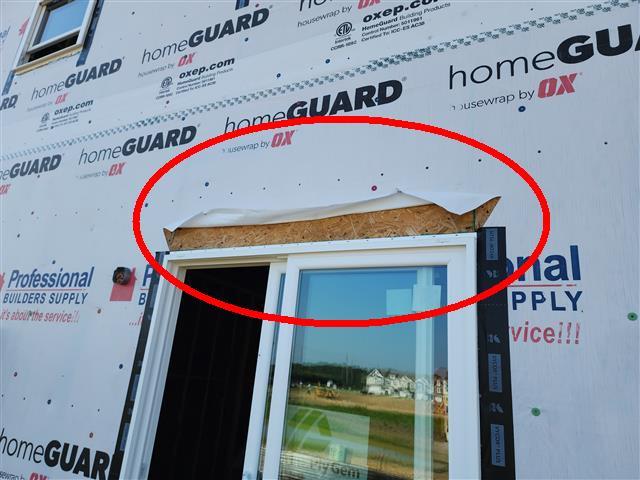
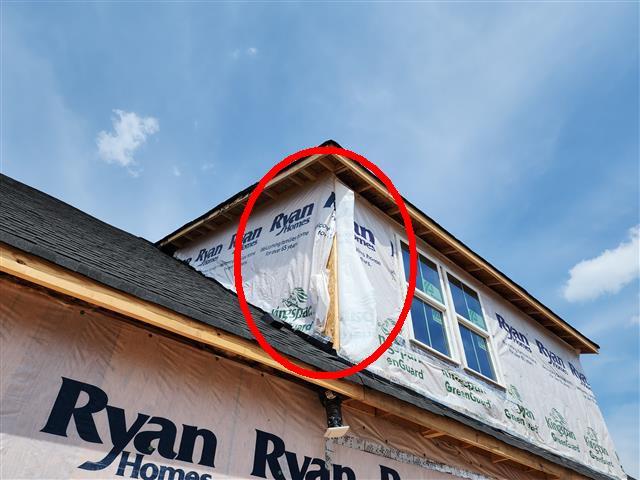
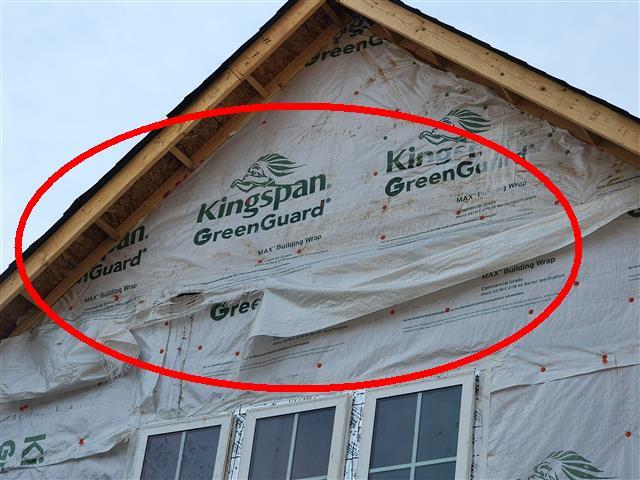
- Improper house wrap installation
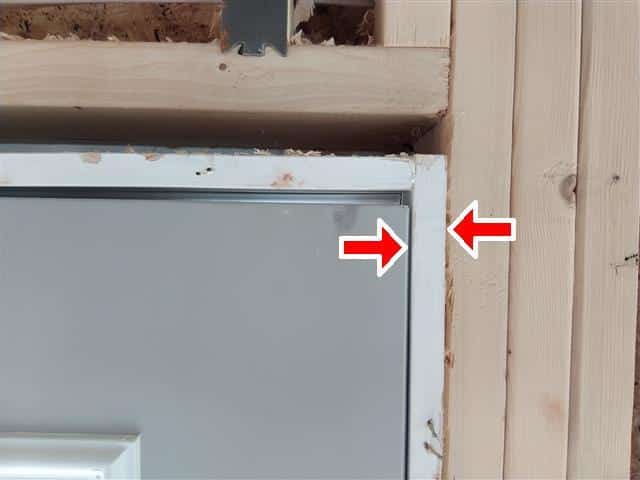
- Windows and doors not installed square or flashed correctly
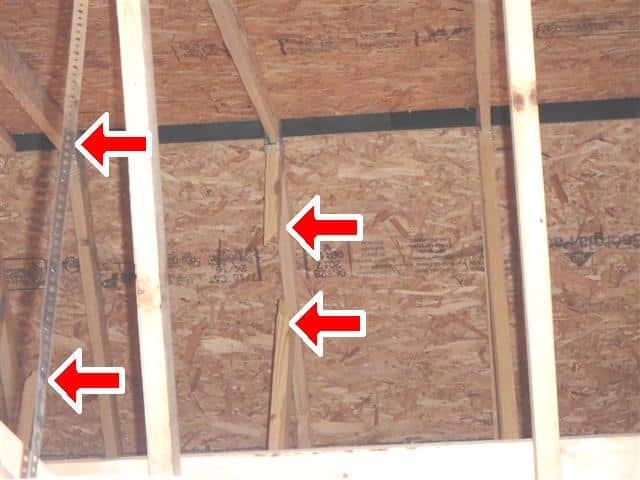
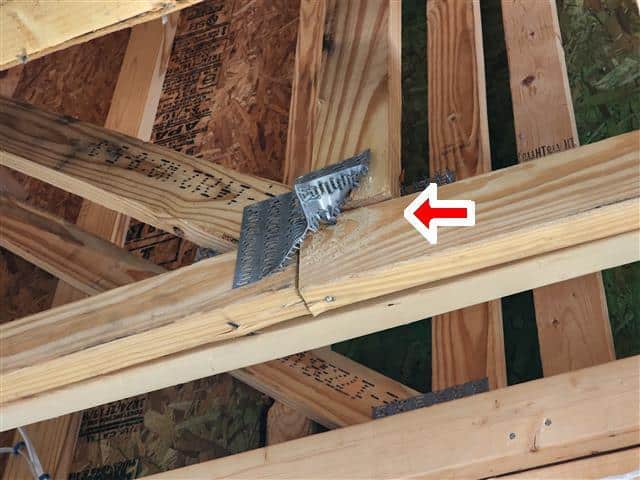
- Broken roof trusses or rafters
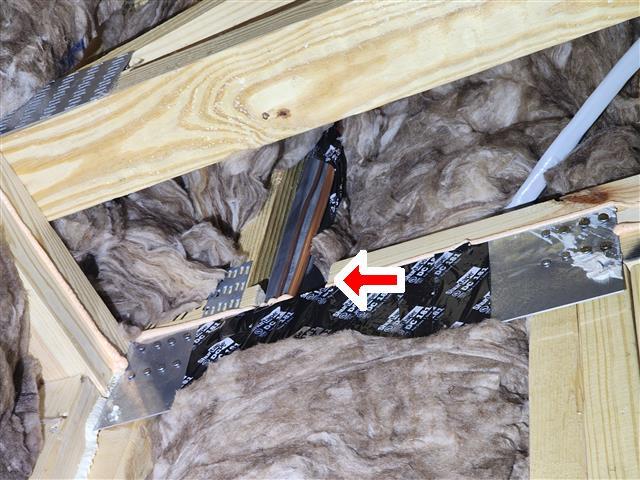
- Damaged gussets or truss nailing plates
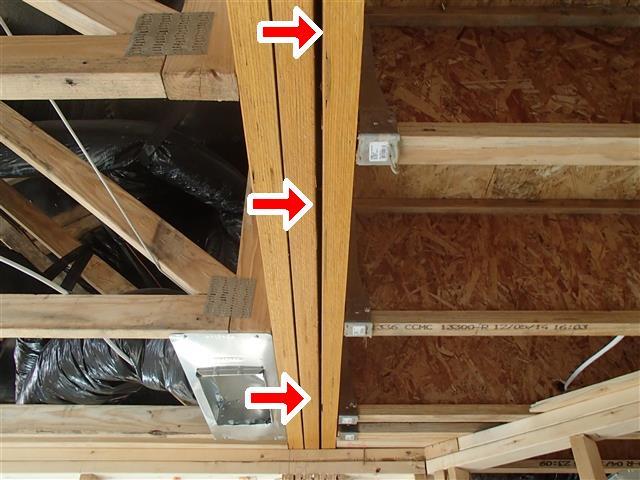
- Cut or damaged engineered floor joists
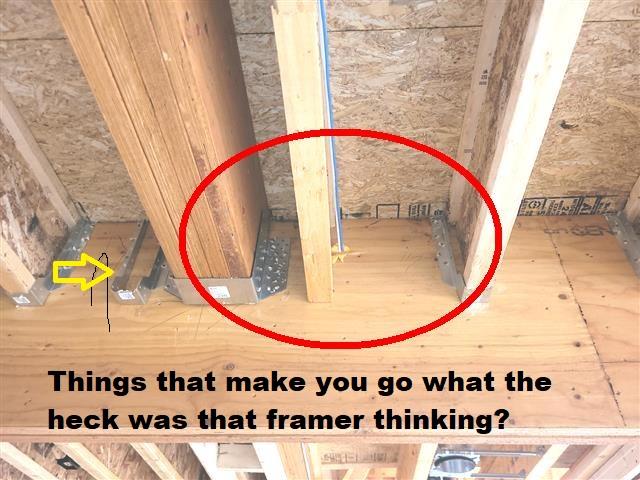
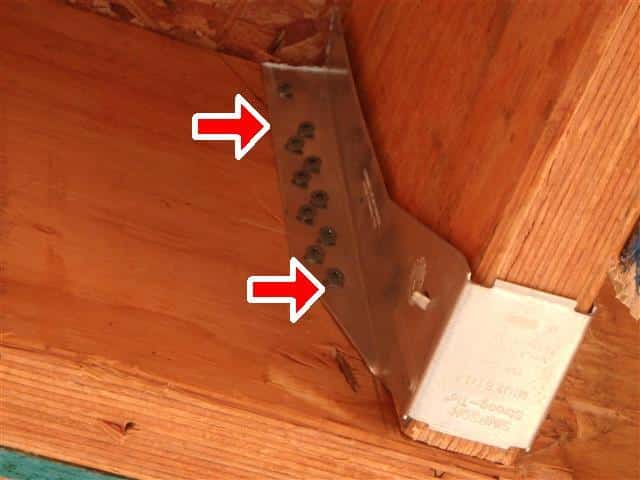
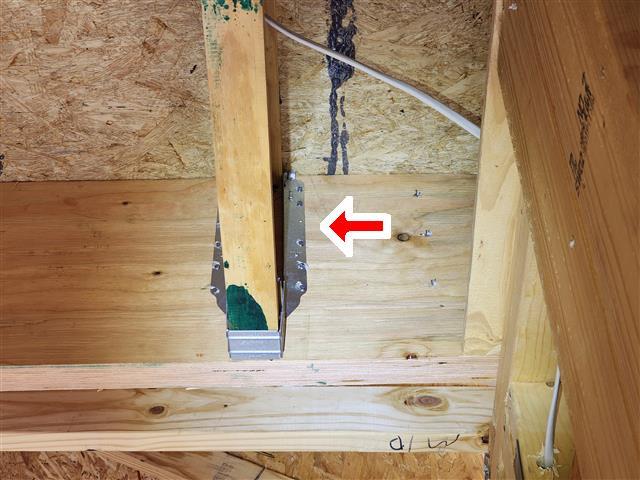
- Missing or incorrect joist hangers and fasteners
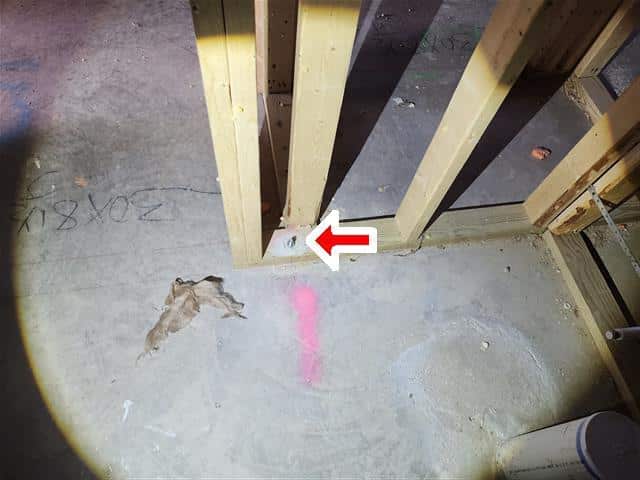
- Missing or improperly spaced anchor bolts, nuts, or washers
All of these issues can compromise the structural integrity of the home. A professional pre-drywall inspection ensures these concerns are documented and addressed before drywall is installed.

Pre-Drywall Inspection Photo Gallery
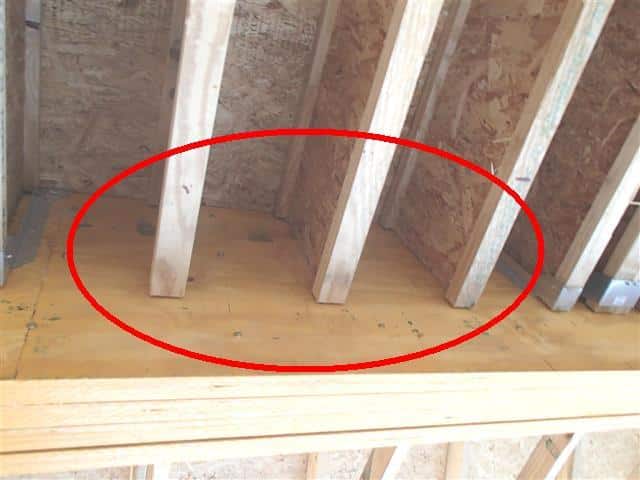
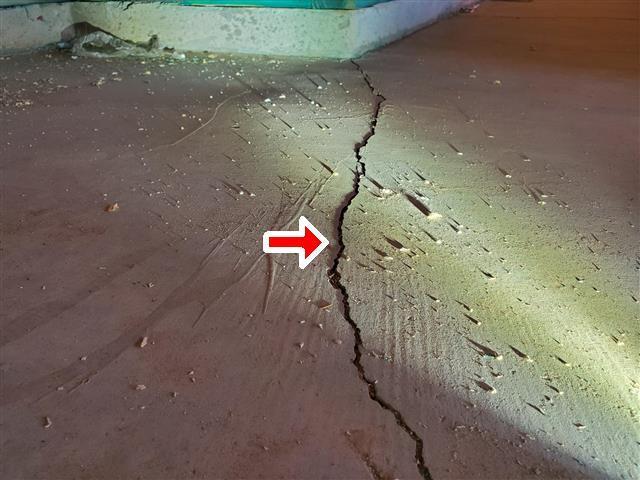
Below are real examples of issues discovered during our pre-drywall inspections. These photos highlight why this phase of inspection is so critical—once drywall is installed, many of these defects would be hidden from view.

Why Timing Matters for Your Pre-Drywall Inspection
Scheduling a pre-drywall inspection at the right time allows issues to be identified while critical systems are still exposed and easy to correct. This proactive step helps ensure construction quality, long-term durability, and fewer surprises after drywall is installed.
When to Schedule
For best results, schedule your pre-drywall inspection before the builder’s pre-drywall meeting or walkthrough. If that’s not possible, inspections are commonly performed the day before or the morning of the walkthrough so findings can be addressed promptly.
Peace of Mind
After the pre-drywall inspection, you receive a written report documenting any findings and recommended corrections. This record helps track repairs and provides confidence that issues were properly addressed before construction moves forward.
Frequently Asked Questions
Here are answers to some common questions about the pre-drywall inspection process.
What is the purpose of a pre-drywall inspection?
A pre-drywall inspection identifies construction defects while systems are still exposed, allowing corrections before drywall is installed.
Will the builder fix issues found during the inspection?
In most cases, builders address documented concerns identified by a third-party inspector, though this varies by builder.
Is a pre-drywall inspection required?
No, but it is highly recommended to protect your investment and avoid hidden issues. It also allows builders to address problems now.
Is this a full inspection of the home?
The information above represents a partial list of inspected items. Additional components, exclusions, and limitations apply.


Hunter was an outstanding inspector. He didn't balk at having me present during the inspection (in fact, he encouraged it), welcomed questions, gave explanations that were scaffolded to be both easy to understand and still detailed and comprehensive. He took his time on the property and explored every inch. I still don't know how he managed to fit into certain places in the attic and crawlspace, but he did, and thank goodness he did, because he saved us from a $500k mistake. He took lots of photos and notes and his report was easy to understand. Can't wait to use him again when we make another offer on a home. My realtor also mentioned that he's her new "go to" guy for when clients ask for recommendations.


Schedule Your Inspection Today